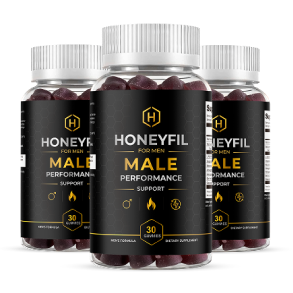
Start With the Supplement Facts Panel
Before anything else — before testimonials, before before-and-after claims, before pricing — pull up the actual Supplement Facts panel. It's the one part of any product page that's subject to labeling regulation rather than marketing discretion, which makes it the most reliable starting point for comparing products.
Check the Serving Size
Confirm how many gummies constitute a full serving, and how many servings are actually in the bottle relative to the "supply" the seller advertises. A bottle marketed as a "30-day supply" should generally contain 30 servings at the stated serving size — if the math doesn't line up, that's worth questioning directly.
Ingredient Transparency
Look for products that disclose individual ingredients with their amounts, rather than folding everything into a single undifferentiated proprietary blend. Full disclosure isn't a legal requirement, but it's a reasonable signal of a brand that's comfortable with scrutiny. It also simply makes it easier for you to research each ingredient independently.
Dosage Disclosure
Be cautious of any product whose marketing page states specific research-backed dosage numbers that don't appear on the actual label, or that describes an ingredient as being at a "clinically studied dose" without citing which amount that refers to. A trustworthy product will either state the amount plainly on both the label and the marketing material, or will decline to make a specific dosage claim rather than risk misleading you.
Manufacturing Standards
Basic manufacturing claims worth checking for include whether the product is made in an FDA-registered facility and whether that facility follows cGMP (current Good Manufacturing Practice) guidelines. Non-GMO and gluten-free claims, where relevant to your needs, should also be stated plainly rather than implied.
Watch for Subscription Traps
A significant share of supplement complaints, across the whole category, trace back to auto-renewal subscriptions that are easy to opt into and hard to cancel. Before buying, confirm in plain language whether you're making a one-time purchase or enrolling in a recurring subscription, and check the seller's cancellation process if it is a subscription.
Unrealistic Claims Are a Red Flag
Be skeptical of any vitality or energy product that promises guaranteed, dramatic, or overnight results, or that leans on comparisons to prescription medications. Legitimate structure/function supplements describe what they're formulated to support — using language like "supports" or "helps maintain" — rather than promising a specific, guaranteed outcome. Fabricated statistics, fake customer counts, or media logos that don't link to real coverage are all reasons to walk away.
Safety Warnings Should Be Visible
A responsible seller puts safety information somewhere you'll actually see it — not buried in fine print. At minimum, look for age restrictions, guidance for anyone on relevant prescription medications, and clarity about who the product is not intended for.
Questions Worth Asking a Healthcare Professional
Before starting any new daily supplement, it's worth bringing a few questions to your doctor or pharmacist: does this interact with any medication I currently take, particularly for blood pressure, blood clotting, or diabetes; is there any reason my specific health history would make this a poor fit; and is there a lower-risk starting point given my current health status? A five-minute conversation is generally the best due diligence available before starting anything new.
It's also reasonable to ask your doctor how long you should expect to wait before evaluating whether a structure/function supplement is doing anything for you. Most reputable products in this category are designed around weeks-to-months of consistent daily use rather than an immediate effect, and your doctor can help you set a realistic checkpoint based on your own health profile, rather than the marketing timeline printed on any one product's website.
Price Isn't the Same as Value
It's tempting to sort options by price per bottle alone, but that number only tells part of the story. A cheaper product with a smaller serving size, a vague proprietary blend, or no clear manufacturing standards isn't necessarily a better deal than a slightly more expensive one with full ingredient disclosure and verifiable cGMP manufacturing. When comparing multi-bottle packages, it's worth calculating the actual cost per serving — not just per bottle — and weighing that against how much confidence you have in the label, the guarantee terms, and whether the purchase is one-time or recurring. A fair comparison accounts for all of those factors together, not price in isolation.
Try HoneyFil Today
One gummy daily. No subscription. Backed by a 60-Day Satisfaction Promise.
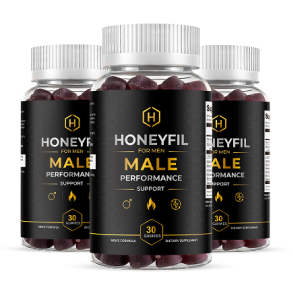 Order HoneyFil Now
Frequently Asked Questions
Related Articles
HoneyFil Review 2026
A balanced look at what HoneyFil is, what's actually in it, and whether it fits your daily routine.
Read the article →
HoneyFil Ingredients Explained
What each ingredient in HoneyFil is generally understood to do, and what's actually confirmed on the current label.
Read the article →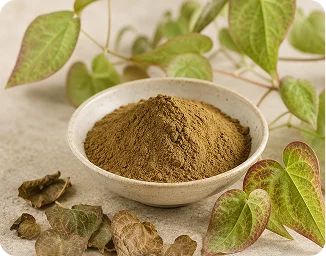
How to Read a Supplement Label (Without Getting Fooled)
A practical, educational guide to Supplement Facts panels, proprietary blends and serving sizes for any product you're considering.
Read the article →← Back to HoneyFil Home | Homepage FAQ | Ingredients Section