Why Label Literacy Matters
Supplement marketing pages are written to sell a product. Supplement Facts panels are regulated disclosures, governed by FDA labeling requirements, and they're where the actual, verifiable information about what you're taking lives. Learning to read one properly is one of the single most useful skills for anyone who takes any daily supplement — not just a specific product.
Anatomy of a Supplement Facts Panel
A standard panel includes a serving size, the number of servings per container, and a list of ingredients with their amount per serving, usually expressed as a percentage of a Daily Value where one has been established. Ingredients without an established Daily Value are still listed by amount, just without a percentage next to them. Below the vitamins and minerals, you'll typically find a separate section for other active ingredients — often botanical extracts — followed by an "other ingredients" list covering the non-active components like binders, flavors, and gelatin or pectin in gummies.
Understanding Serving Size
Every number on the panel is calibrated to the stated serving size, not to the whole bottle. This sounds obvious, but it's a common source of confusion — if a label lists "2 gummies" as a serving and you only take one, you're getting half the stated amounts. Always check what one serving actually consists of before comparing dosages between two different products.
What Is a Proprietary Blend?
A proprietary blend is a group of ingredients listed together with a single combined weight, rather than individual amounts for each ingredient. It's a legal labeling practice, but it means you can't see exactly how much of any one ingredient is in the blend — you only know the total. This matters because an ingredient can be included at a token amount, just enough to legally appear on the label, without necessarily being present at a level supported by research. Not every proprietary blend is a problem, but it's worth noticing when a product uses one, and weighing that against products that disclose full individual amounts.
Reading the 'Other Ingredients' List
The "other ingredients" section covers non-active components: things like the gelatin or pectin base in a gummy, sweeteners, colors, and preservatives. If you have allergies or dietary restrictions — for example, if you need a gelatin-free or gluten-free product — this is the section to check, alongside any front-of-label claims like "gluten-free" or "non-GMO."
Label Red Flags to Watch For
A few patterns are worth extra scrutiny on any supplement label: a large proprietary blend with no individual amounts disclosed at all; dosage claims on the marketing page that don't match what's printed on the physical label; ingredient lists that change noticeably between the product photo and the actual panel; and vague or missing manufacturing information, such as no facility certification or country of origin. None of these automatically means a product is bad, but they're all reasons to look more closely before buying.
A Quick Label-Reading Checklist
Before buying any daily supplement, it's worth running through a short checklist: confirm the serving size, note whether ingredients are individually dosed or grouped in a blend, check for allergens in the "other ingredients" list, verify manufacturing claims like cGMP certification if they matter to you, and compare the physical label — not just the marketing page — against any dosage claims made elsewhere. A few minutes of label reading is generally the best return on time you can spend before starting any new supplement.
It also helps to understand where labeling requirements come from in the first place. In the United States, dietary supplement labels are regulated under the Dietary Supplement Health and Education Act (DSHEA), which sets rules for what can and can't appear on a Supplement Facts panel, including required disclosures and restrictions on disease-treatment claims. That's part of why legitimate supplement marketing uses careful "structure/function" language — phrases like "supports" or "helps maintain" — rather than language that implies treating or curing a medical condition. Recognizing that distinction is itself a useful label-reading skill: a product that stays within structure/function language on both its label and its marketing is generally operating within expected regulatory bounds.
Comparing Two Products Side by Side
When you're deciding between two similar products, put their Supplement Facts panels next to each other rather than comparing marketing pages. Match up serving sizes first, since a product with a "double serving" can look like it has more of an ingredient when it's actually the same amount spread across two servings instead of one. Then compare individually disclosed ingredients directly, and note where either product relies on a blend instead of individual disclosure. This kind of side-by-side, label-first comparison is a more reliable way to evaluate value than comparing price alone, since a cheaper product with a smaller serving size or a vague blend isn't necessarily the better deal.
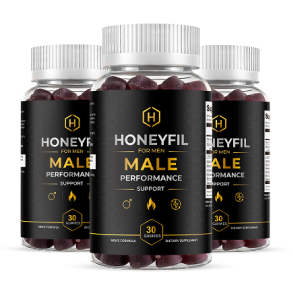
Try HoneyFil Today
One gummy daily. No subscription. Backed by a 60-Day Satisfaction Promise.
 Order HoneyFil Now
Frequently Asked Questions
Related Articles
HoneyFil Review 2026
A balanced look at what HoneyFil is, what's actually in it, and whether it fits your daily routine.
Read the article →
HoneyFil Ingredients Explained
What each ingredient in HoneyFil is generally understood to do, and what's actually confirmed on the current label.
Read the article →
Natural Energy for Men Over 45
Sleep, protein, movement and a few other habits that genuinely support daily energy without relying on stimulants.
Read the article →← Back to HoneyFil Home | Homepage FAQ | Ingredients Section